Keeping Rooks on the Board to Avoid Pure Pawn Loss: Counting Reserve Tempi & Pawn-Break Geometry
Learn Keeping Rooks on the Board to Avoid Pure Pawn Loss with Counting Reserve Tempi & Pawn-Break Geometry and practice live conversion against Brass Pawn's offline engine.
1. Theoretical & Practical Keys to Keeping Rooks on the Board to Avoid Pure Pawn Loss
Reading about Keeping Rooks on the Board to Avoid Pure Pawn Loss in a book is very different from converting or defending it with 30 seconds on your clock. Focusing on Counting Reserve Tempi & Pawn-Break Geometry gives you clear schematic landmarks—king opposition squares, rook placement rules, and fortress boundaries—that hold up under tournament pressure.
| Endgame Dimension | Keeping Rooks on the Board to Avoid Pure Pawn Loss Principle | Brass Pawn Execution Drill |
|---|---|---|
| Core Objective | Counting Reserve Tempi & Pawn-Break Geometry | Play out to mate or 50-move draw against offline engine |
| King Activity | Centralization, shouldering & key-square invasion | Immediate centipawn feedback on passive king moves |
| Tempo & Zugzwang | Reserve pawn moves & triangulation | Instant retry when a premature push throws away ½ point |
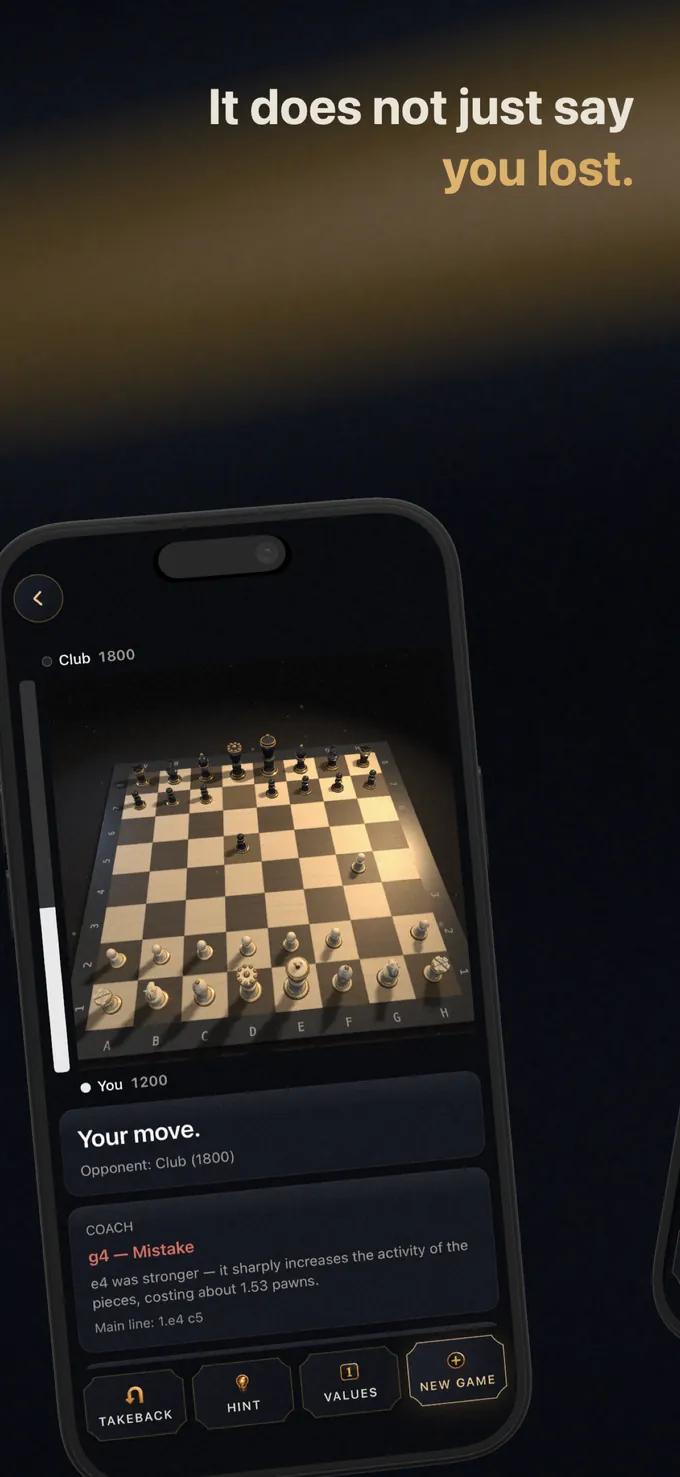
Brass Pawn Training Interface on iOS

Frequently Asked Questions
Why practice Keeping Rooks on the Board to Avoid Pure Pawn Loss against an engine instead of just reading?
When you play the position out against Brass Pawn's offline engine, every imprecise king or rook move is tested immediately, cementing muscle memory.
Can I practice both the winning and defending side?
Yes, you can flip the board and practice both converting the win and holding the stubborn draw.